
极速之巅
新加坡这8大职业越危险越有钱!这几种赚的比程序员还多?_我的网站

一 | 大家都知道,本地的高薪工作基本集中在金融、IT等行业。就连历年新加坡的“打工皇帝”基本都是从银行总裁里评出~不过本地还有这样一些“冷门岗位”,被评为新加坡“最危险”的职业,但实际赚的钱可能比程序员还多~绳索作业技术员Rope access technician 月薪:2000-4500新在新加坡的需求程度:★★☆☆☆工作内容:在距离地面数百米的高空进行悬挂维护和清洁工作在香港被称为“蜘蛛人”的行业,在新加坡也不可或缺。
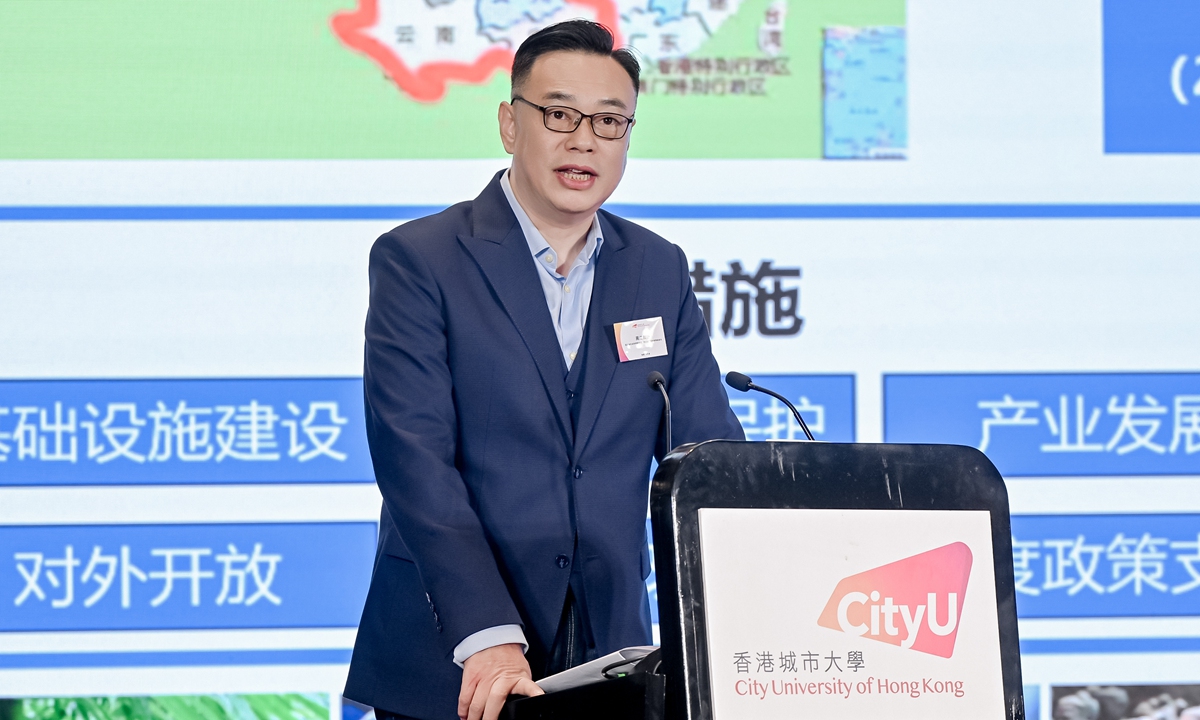
Zhou Jiang, a researcher at the Sichuan Academy of Social Sciences, has a favorite book: White Deer Tableland or Bai Lu Yuan by renowned writer Chen Zhongshi.
As vice president of the Regional Science Association of China (RSAC), Zhou told the Global Times that a lifetime of reading has profoundly shaped the way he sees and understands the world. It ultimately led him to a career in research and academia, where he teaches and pursues scholarly work.
Since earning his PhD in economics in 2000, he has devoted himself to the study of regional science and economics, a field that demands a constant crossing of disciplinary boundaries, drawing on the fields of geography, sociology, history, and ecology among others.
"Reading has kept alive my sense of curiosity and taught me to ask questions with patience and persistence: Where do disparities in regional development come from? How do policies affect different groups in society? And how can a region pursue both efficiency and equity so that development is not merely effective, but also imbued with a greater sense of humanity and warmth?" Zhou noted.
Founded in 1991, RSAC is a national academic society dedicated to advancing domestic and international academic exchange and cooperation, providing consulting services on spatial planning, urbanization, and regional development, and offering intellectual support for China's modernization drive.
The 57-year-old researcher noted that reading has empowered him in two distinct ways.
"The first is discernment. When confronted with a complex issue, I try not to settle for a simple conclusion. Instead, I make an effort to understand its broader context, how it has unfolded, and the perspectives of the different people involved," he said.
"The second is a sense of inner steadiness. Setbacks are an inevitable part of both life and work. Good books remind us that hardship is never ours alone to bear; countless people before us have faced circumstances more difficult than our own, made difficult choices, and found the strength to carry on. Reading cannot solve every problem for us, but it can help us remain calm when challenges arise, giving us the clarity and resilience that allow us not to panic or give up too easily," he said.
Historical depth
Each time Zhou returns to the White Deer Tableland, he finds something different in its pages.
"When I first read it as a young person, I was drawn primarily to the characters and the twists and turns of their lives. Later, as I began researching regional economics, I found myself paying closer attention to the changes in the land, the countryside, families and social order presented in the story. Now, approaching 60, I have come to appreciate more deeply the choices the characters make, the constraints they face, and the quiet perseverance they show amid the sweeping currents of their times," he said.
White Deer Tableland uses Bai Lu village in Northwest China's Shaanxi Province as a microcosm, tracing the feuds and intertwined fortunes of three generations of the Bai (literally meaning white) and Lu families. Through their stories, it captures more than half a century of sweeping historical change, from the final years of the Qing Dynasty (1644-1911) to the 1970s and 1980s. The novel won the Mao Dun Literature Prize, one of China's top literature awards, in 1997.
Zhou prefers literary works with historical depth and a keen eye for social change.
Regional economics may appear to be concerned with the spatial distribution of industries, population and resources, but at its heart, it is about how people live on a particular piece of land, and why some places flourish while others decline, he noted.
In this sense, literature and history are more than pastimes beyond professional research. They often help him understand the historical context, cultural traditions and social mentality that lie behind economic data, he said.
When reading novels, Zhou said that he often pays close attention to the relationship between people and the places they inhabit: How the land shapes the local character, how transportation transforms a region, and how shifts in industry reshape families and villages. Such details may not offer a direct conclusion, but they broaden a researcher's perspective. They also serve as a reminder that research should look beyond growth rates and statistical indicators to consider the sense of fulfillment experienced by ordinary people and the dignity of human beings.
Understanding ourselves
Once, while tidying his study, he came across a book filled with notes he had scribbled in his early years. Among them was a question that particularly caught his attention: "In the face of sweeping changes in the times and profound social transformation, what can a person truly determine for himself?"
Looking at those words he had written in his youth was like coming face to face with the person he had been decades ago.
Reading is not simply the act of understanding a book; it is also a record of a person's own growth, he said. The same book can reveal something entirely different when read at different stages of life.
When we are young, we turn to books in search of answers; but when we become seasoned, we read more to understand life, to understand others, and ultimately, to better understand ourselves, Zhou said.
In this era of fragmented information, AI can help people access information quickly, organize materials, and gain a basic understanding of unfamiliar fields. Yet deep reading, Zhou said, allows people to see how a conclusion is reached — what evidence supports it, where its boundaries lie, and what alternative interpretations it may invite.
What truly shapes a person, after all, is not how much information they have browsed, but the words that have made them pause and reflect - and the words that have remained with them for many years, he added.
。绳索作业技术人员在本地的工作范围,主要集中在三个方面:①清洁窗户;②维护和检查工作;③高空外壁油漆装饰。在新加坡从事高空绳索作业,需要持证上岗。新加坡只有大约3000名通过IRATA(工业绳索作业协会)认证的绳索作业技术人员。以上图源:Asian Sealand、handyme石油钻井工 Oil rig driller 月薪: 4100-7500新在新加坡的需求程度:★★★☆☆工作内容:在海洋中间的钻井平台上,在恶劣的天气条件下操作重型机械。海上作业当中,石油钻井工/井架工是公认的高薪工作,年收入接近9万新元,轮班工作14天,休息21天,从这些条件来看,这份工作看起来高薪且休息时间充裕。而且也不需要很高的学历,市场招聘需求也不低——但很难有人能长期坚持。为什么呢?本地人总结非常人,不推荐做这份工作:① 工作地点在海洋中间的钻井平台上,就算是休息日,也只能在海上休息。② 整个合同期通常为6至12个月。这个期间你在茫茫大海中进行昼夜12小时的工作轮班。身边没有家人或朋友陪伴,唯一的同伴就是其他井架工,海上环境寒冷,海浪汹涌,很考验人的心态跟心理素质。一般很少有人能在这个岗位上熬过2年,所以也算是一个人员流动性非常高的工作。不过可能也有一个好处,别人上班都是开车/地铁/走路,海上作业可能会有最酷的通勤方式——可能是乘坐直升机、快艇,甚至可能坐补给船到达工作地点。以上图源:Beyond Facts塔式起重机操作员Tower crane operator 月薪:3800-6500新在新加坡的需求程度:★★★★☆工作内容:坐在离地数百米高的箱子里操作,没有厕所。由于有不断的发展规划,起重机作业在新加坡算是一个高需求的职业。

二 | 不过这一行内的机械有多种类型,每种类型都需要不同的认证,部分认证与普通起重机操作员的资质不同。基础入门上岗要求就包括:①参加为期86小时的课程拿证;②年满21岁;③不能控恐高此外工作环境也算不上是轻松,比较考验人,例如要自己爬上梯子到达驾驶舱,舱内没有厕所,需要自己带桶或瓶子解决生理需求,等到班次结束了再自行带走清理。以上图源:Antbuildz、NTUC油罐车司机Tanker truck driver月薪:2800-4000新在新加坡的需求程度:★★☆☆☆工作内容:驾驶着装载28,000升有毒或易爆液体的车辆四处行驶这份工作在全部“危险岗位”中算是相对安全的,前提是好好开车,没有意外事故。但做油罐车司机,心理压力也是挺大的,需要承担运输大量危险物品的责任。此外虽然对司机的学历没有太高要求,但需要持各种证上岗:①获得可以驾驶货车和卡车的4级驾照;②持有危险品驾驶许可证。以上图源:Flickr商业潜水员 Commercial diver 月薪:3800-11300新在新加坡的需求程度:★★☆☆☆工作内容:在零能见度、强劲水流和重型机械的环境下进行水下作业。在新加坡,商业潜水员可能会参与船只的检查和维护、码头的建造与拆除,以及在船厂修理船只。如果技术更专业,还可以成为一名水下焊接工——这是一个高度专业化的角色,可能会需要去到全球各地的海洋。有网友认为新加坡的商业潜水员薪水待遇没有其他地方的高。而且水下工作也称不上“友好”:①工作时间长;②工作时间不固定,取决于具体项目进行时间;③在零能见度和强劲水流的环境中操作极其沉重的设备;④可能要面对减压病、低温症、呼吸和循环系统风险等等诸多危险。以上图源:Subsea Global Solutions、hydropro商业船运安保员*Security on commercial ships *此岗位为网友热议,最危险的工作之一预估月薪:9000新/月在新加坡的需求程度:??未知工作内容:负责保护船只及其货物免受这些威胁,确保船员的安全,并防止任何非法入侵获取工作方式:熟人推荐的多“这份工作的人都是熟人推荐的,更像是一个“靠人脉”的职位。海上的生活很无聊,因为没有WiFi,而且没什么需要守卫的,但如果真的遇到海盗,那就是另一回事了。高风险,高回报。在gong海上也有大量金钱流动。”近几年,个别海域的船运风险较高,比如越来越猖狂的海岛,新加坡注册船只也多次遇险。因此安保人员也是不可缺少的一个职业,他们可能需要:①全天候值守:监控船只的周围环境,特别是在经过海盗活跃区域时。②船只防卫:使用非致命和致命武器抵御潜在威胁,确保船只和船员免受攻击。③应急反应:在突发情况下,安保人员必须快速反应,采取适当措施,保障船只安全。④威胁评估:定期评估航线的安全性,识别潜在的风险,并采取预防措施。因为事关生命以及大批财物安全,安保人员不仅要具备军事或执法背景,还需要有海上作业经验。

三 | 可能因此一般商业船运对安保人员很少公开招聘。以上图源:associated risks、海峡时报石油和天然气技术员*oil and gas technicians 。
Current article:http://4rwh2.sunaichitikouchua.bond/nd3v/20260826/1095886.html
Published on:04:05:11
我的网站最近更新
- 新中免签后首个暑假 7月份入境我国旅客四分之一来自中国
- 海外服务器评测,2026年跨境业务节点怎么选?
- 汽车市场的突破点在哪里,卷价格是否是唯一出路?
- 网红粥饼伦首个店铺将闭店 房租从13万涨到20万
- [视频]跌落测试表明iPhone 14 Plus比iPhone 14 Pro Max更耐摔
- What's the real price of de-coupling from China?
- Japan's exports rise and imports decline in September
- 网站如何通过广告联盟赚钱?从0到第一笔收益全流程
- 新西兰中小学迎来巨变!美情报官员在惠灵顿秘密开会……
- 深圳首批近百家福彩站升级为公益驿站
- 杭州造“上天”了!一箭双星!
- 近半数新加坡人感叹,永远无法实现财务自由
- 中山彩民喜中刮刮乐“超级弹珠”一等奖
- Depp Set to Return to Pirates of the Caribbean After Defamation Trial Win Against Heard - Report
- Chinese Football Association says no evidence of improper KFA hospitality
- 从“害羞狂奔”到1500米耐力赛,机器人一天多次刷新人类纪录
- UP News: स्पोर्ट्स सिटी मेरठ से प्रदेश में औद्योगिक क्लस्टर की खुलेगी राह, खेल सामान निर्माण का हब भी होगा यूपी
- 上半年全国广播电视服务业总收入7513.89亿元,同比增长9.15%
- “福彩快乐8·向美好出发”主题营销活动火热开启!
- 《巫师3:狂猎 重制版》官宣!9月29日发售:老玩家免费升级
- 来了!《昭和米国物语》新预告:翘臀女主超燃战斗技
- 上海金属网:锡价小幅上行市况一般
- 5 killed, 17 injured in rain shelter collapse as torrential rainfall batters SW China’s Sichuan, leading to relocation of 21,784
- 今天是“白海豚”余势影响最后一天 未来七天仍多雨
我的网站热门资讯
- 伯纳乌的皇马球迷:从嘘声到拥抱,皇马艰难获胜
- 有望近期上市 新款别克E5最长续航里程达620公里
- 2元彩票不止碰运气!藏在票面下的温暖秘密
- 美团平台乱派单超时追责骑手不让截屏存证太霸王
- 广州国际商业港首开区北地块挂牌,广州国际商业港首开区北地块挂牌
- 钱三强的老婆到底有多美?看这些老照片就知道了,美艳不可方物,shazhouyue,原创 钱三强的老婆到底有多美?看这些老照片就知道了,美艳不可方物
- JAXA orders self-destruction of Epsilon rocket after failed launch
- 国家体育总局拟举办飞盘联赛
- 华力创通:公司冲回各项资产减值准备共计约1435万元
- 国际乒联公布新一期世界排名 樊振东陈梦分列男女单榜首
- Lanzhou airport's 'mouse control officers' become online stars
- 泽连斯基:我向他提供过4个政府岗位,都被拒绝了
- 文物里的国潮丨探寻漕粮质检的“密码本”
- EV制造商Arrival再次裁员并将业务重心从英国转移至美国
- 队报:巴莱巴转会曼联,老东家里尔分到1000万欧元分成
- 北控两人被驱逐:孟子凯挑衅陈盈骏拉拽曾凡博 里勒6犯+吃T失控
- 再次抓捕尹锡悦 韩国公调处在总统官邸外与警卫处发生对峙
- 午休吃饭随手购彩 重庆彩民刮中“多喜乐”大奖100万元
- 10月起 五天内缴ERP欠款者可免10元行政费
- 天邑股份:本次计提减值准备共计减少公司2026年4月-6月利润总额1291.4万元
- 河北局地已现10级雷暴大风!暴雨、大暴雨来了!未来天气→
- PM launches Mission DefSpace to develop innovative solutions for the Defence Forces in Space domain
- नाबालिग को तीन दिन तक थाने में बैठाया, सदमे में हुई थी दादी की मौत, SP बिजनौर ने चौकी इंचार्ज व सिपाही को किया सस्पेंड
- Xiamen launches investigation into disinfection firm accused of using toxic pesticide at restaurants